Wholesale buyers need more than attractive knitwear. They need dependable quality, practical margins, and styles that sell across changing seasons. A well-made cable knit cardigan can provide warmth, texture, and a familiar retail appeal. However, small construction details often decide whether customers reorder or return.
This guide explores top men’s cable knit cardigans for wholesale buyers, with attention to yarn composition, stitch definition, garment weight, sizing, and finishing. A Cable Knit Cardigan Men's collection should feel substantial without becoming uncomfortable or difficult to ship. We will examine cotton blends, merino options, recycled fibers, and easy-care yarns. Each choice affects softness, durability, shrinkage, and final pricing.
Look closely at the cables.
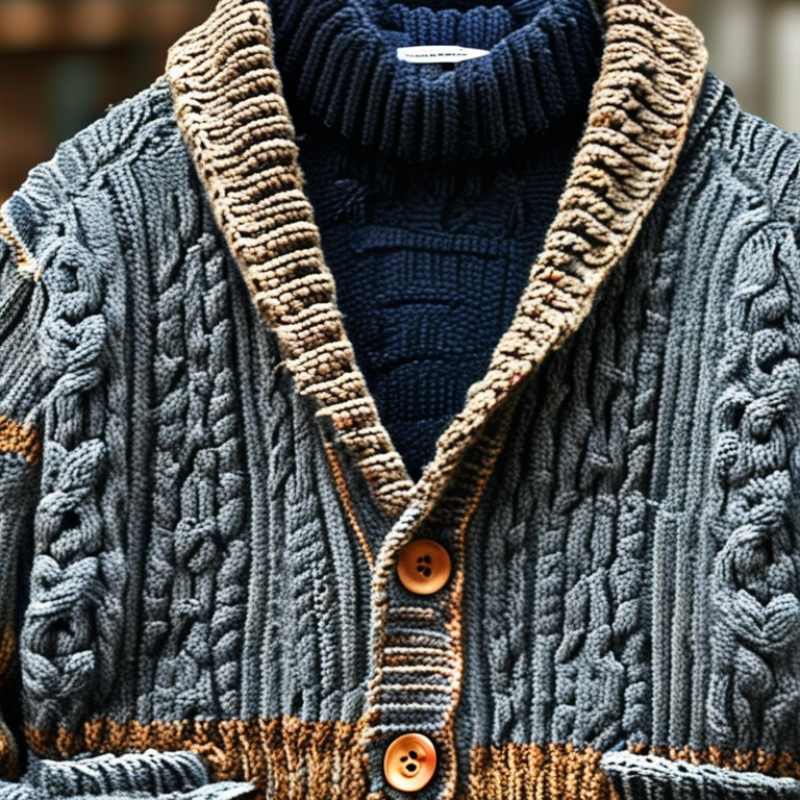
Raised patterns should remain clear after washing. Buttons need secure stitching, especially on heavier fronts. Ribbed cuffs should recover their shape instead of stretching after limited wear. Color selection also matters. Navy, oatmeal, charcoal, and forest green often support broader retail use, while seasonal shades can create stronger visual interest.
Wholesale experience teaches one lesson: attractive samples do not guarantee consistent production. Buyers should request size charts, fabric specifications, pre-production samples, and inspection standards. Supplier communication matters too. Delayed replies may signal future problems, though not always.
No single cardigan suits every market.
This overview supports more informed sourcing by comparing commercial value with real garment performance. Some recommendations may require a second review after customer feedback. That is normal. Reliable buying decisions improve when appearance, comfort, cost, and evidence are considered together.
Top Men’s Cable Knit Cardigans for Wholesale Buyers
What Defines a Quality Men’s Cable Knit Cardigan
A quality men’s cable knit cardigan begins with dependable yarn. Wool blends offer warmth, shape retention, and a softer hand feel. Cotton blends feel lighter and suit transitional seasons. During wholesale sampling, rub the surface gently. Excessive fuzz can signal weak fibers or loose spinning. Check the yarn label for fiber content, washing guidance, and country-specific care requirements.
Cable patterns should look sharp on both front panels. The twists must align across the button band and shoulder seams. Uneven cables often reveal poor tension control. Examine the neckline closely. A firm ribbed edge should recover after stretching. Buttons need secure stitching, with no loose threads around the buttonholes. Small details matter.
Sizing consistency is equally important. Measure the chest, sleeve, and body length across several pieces. One sample is not enough. A reliable supplier should provide measurement tolerances and production records. The cardigan should feel substantial without becoming stiff or bulky. I once approved a sample that looked excellent but felt heavy after layering. That mistake was useful. Comfort must be tested with a shirt underneath, not judged on a hanger.
Wholesale buyers should also inspect shrinkage after washing. A two-centimeter change can affect the entire size range. Ask for pre-production samples and independent fabric testing when possible. Quality is not perfection. It is controlled performance, clear documentation, and fewer surprises in bulk delivery.
| Quality Dimension | Recommended Wholesale Specification | Why It Matters | Suggested Quality Check |
|---|---|---|---|
| Fiber Composition | 100% wool, 100% cotton, or a clearly declared blend such as 70% wool / 30% nylon. | The fiber mix affects warmth, softness, durability, care requirements, and final retail positioning. | Compare the sewn-in composition label with the approved purchase specification and laboratory fiber analysis when required. |
| Yarn Count and Ply | Medium-to-heavy yarn with consistent count; two-ply yarn is commonly preferred for improved stability. | Consistent yarn construction supports an even cable pattern and helps reduce weak spots and surface distortion. | Inspect yarn uniformity under good lighting and compare production samples with the approved reference sample. |
| Fabric Weight | Approximately 450–700 g per finished adult cardigan, depending on size, fiber, gauge, and cable density. | Weight provides a useful consistency check for warmth, handle, and seasonality, although it should not be judged alone. | Weigh a defined size from each production lot and compare it with the approved tolerance range. |
| Cable Pattern Definition | Raised, symmetrical cables with clean intersections, consistent spacing, and no visibly loose or compressed sections. | The cable structure is the main visual feature and strongly influences perceived quality at retail. | Check the front, back, sleeves, and side panels for pattern alignment and uniform relief. |
| Gauge and Stitch Density | A stable medium or chunky gauge selected to balance warmth, drape, weight, and production efficiency. | Uneven stitch density can cause bagging, vertical lines, inconsistent sizing, and poor shape retention. | Measure stitches and rows within a defined area and compare panels across multiple garments. |
| Shape Retention | Ribbed cuffs, hem, and neckline should recover after stretching without excessive waviness or permanent growth. | Good recovery helps the cardigan maintain a polished fit after repeated wear. | Record measurements before and after controlled stretch, relaxation, and laundering tests. |
| Seam and Shoulder Construction | Even linking or reinforced seams, secure shoulder joins, and no skipped stitches, open loops, or bulky seam ridges. | High-stress areas are more likely to fail if joining work is weak or inconsistent. | Turn the garment inside out and inspect all joins, armholes, pocket openings, and stress points. |
| Button and Closure Quality | Buttons should be securely attached with reinforced stitching; buttonholes should be clean, aligned, and easy to operate. | Closures receive repeated handling and can quickly create customer complaints when poorly finished. | Open and close every button at least several times and check attachment security and alignment. |
| Dimensional Stability | Set measurable length, chest, sleeve, and shoulder tolerances; use the care method specified for the fiber content. | Shrinkage and distortion can affect fit, grading, packaging, and return rates. | Measure garments before and after the intended wash or care test and document percentage change. |
| Pilling Resistance | Use yarns and finishing processes selected for the intended wear level; no visible excessive pilling should appear in sample testing. | Pilling changes the appearance and hand feel, particularly at the underarm, side, and front areas. | Conduct a standardized abrasion or pilling assessment suitable for the target market and fiber type. |
| Color Consistency | Uniform shade across panels, matching dye lots, and no streaks, patchiness, or noticeable color migration. | Color variation is highly visible on textured cable-knit surfaces and can reduce sell-through. | Inspect under standard lighting and perform suitable colorfastness checks for washing, rubbing, and perspiration. |
| Hand Feel and Comfort | Soft or suitably smooth surface with no harshness, excessive hairiness, chemical odor, or irritating loose fibers. | Comfort affects customer satisfaction, repeat purchases, and suitability for direct skin contact. | Assess samples by touch and review fiber, dye, and finishing documentation for odor and skin-contact requirements. |
| Sizing and Grading | Use a documented measurement chart with consistent increments across chest, body length, shoulder, and sleeve measurements. | Reliable grading makes inventory easier to manage and reduces fit-related returns. | Measure a statistically appropriate sample from each size and compare results with the approved size specification. |
| Labeling and Care Information | Include accurate fiber content, care instructions, size information, country-of-origin details, and any legally required product warnings. | Correct labeling supports customs clearance, consumer care, and compliance with the destination market. | Review labels against the purchase order, test reports, and applicable import and textile-labeling rules. |
| Pre-Shipment Inspection | Use an agreed inspection level, defect classification, measurement tolerance, packing standard, and carton marking plan. | A documented inspection process creates consistent acceptance criteria for repeat wholesale orders. | Inspect finished goods before shipment and retain inspection records, approved samples, and corrective-action reports. |
Wool blends provide warmth, shape retention, and a soft hand feel. Cotton blends feel lighter for transitional seasons.
Check whether the cable twists align across panels, button bands, and shoulder seams. Uneven patterns may show weak tension control.
A firm ribbed neckline should return to shape after stretching. Buttons need secure stitching and clean buttonholes.
Measure chest, shoulders, sleeves, and body length across several garments. One sample cannot represent the whole production batch.
A cardigan may look attractive but feel heavy under a shirt. Test layering on different body types.
Request shrinkage results, pilling grades, colorfastness records, and seam-strength tests. Ask for fiber-origin details and current certification documents.
Use the same checklist for at least three suppliers. Compare minimum orders, knitting gauges, sampling times, inspection methods, and packing evidence.
Charcoal, navy, oatmeal, and black support dependable winter assortments. Beige, muted green, and soft blue add quieter seasonal variety.
Dense, raised cables create a heavier winter impression. Finer patterns may suit transitional weather and lighter layering.
Wash samples, measure shrinkage, test repeated wear, and inspect seams, buttons, and surface stability.
A quality Cable Knit Cardigan Men's collection combines durable materials, consistent cable patterns, and careful construction. Wholesale buyers should examine fiber content, yarn softness, stitch definition, seam strength, button attachment, collar shaping, and finishing details to ensure the garments offer comfort, warmth, and long-term wear. Reliable suppliers should provide clear product specifications, production samples, transparent communication, and documented quality-control procedures throughout manufacturing.
Market suitability also depends on accurate sizing, practical color selections, and versatile styling. Buyers can choose classic neutrals for broad appeal, seasonal shades for fashion-focused markets, and different fits to serve varied customer preferences. Before placing an order, evaluate unit pricing alongside minimum order quantities, sampling costs, production lead times, packaging, and shipping requirements. Quality inspections should verify measurements, color consistency, fabric performance, and workmanship before shipment. A balanced approach to design, supplier reliability, pricing, and inspection standards helps wholesale buyers build a commercially attractive cardigan range with dependable quality.

 FUJI
FUJI