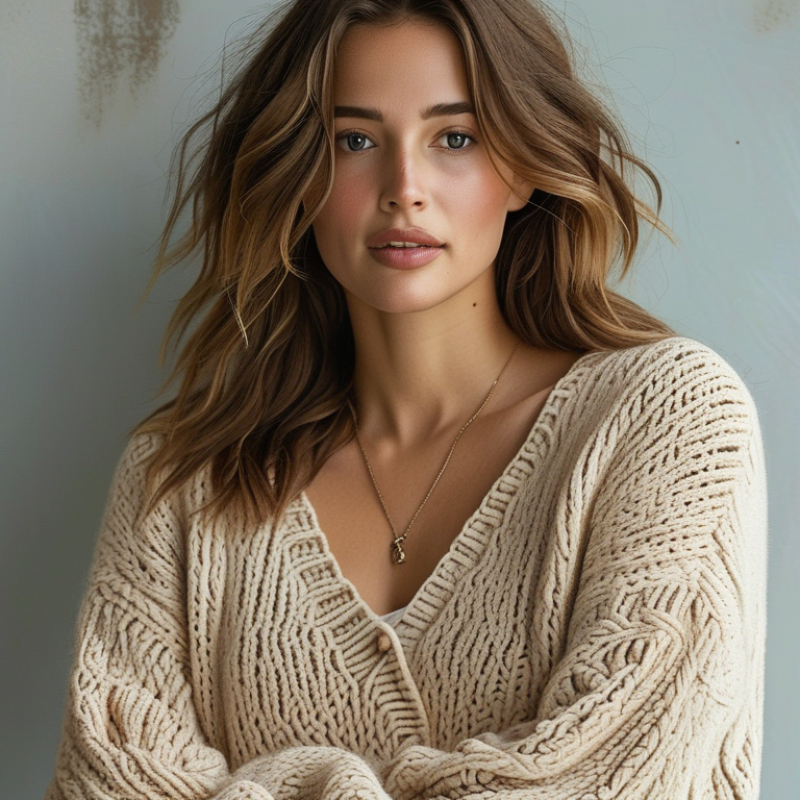
Choosing a knit cardigan can feel overwhelming. With so many styles, colors, and textures, it's easy to get lost. A knit cardigan is a versatile piece that can elevate any outfit. Understanding what to look for will make your choice easier.
Consider your personal style and the intended use of the cardigan. Do you need it for casual wear, work, or special occasions? Each setting calls for different materials and designs. For instance, a chunky knit cardigan offers comfort for relaxed days, while a lighter knit may suit formal outings better.
Fit is also crucial. A well-fitting knit cardigan flatters your frame and enhances your silhouette. Pay attention to sleeve length and overall length. Oversized options can be cozy yet may sometimes drown a smaller figure. Reflect on your choices, and don't be afraid to try something new. This blend of comfort and style makes finding the right knit cardigan a journey worth taking.
Understanding Different Knit Cardigan Styles and Their Functions
When exploring knit cardigan styles, it's essential to identify their unique functions. Each style serves a different purpose and complements various occasions. For instance,
lightweight cardigans are ideal for layering in spring. They add warmth without bulk. Heavier knit options work well in winter. Their cozy fabric provides extra insulation during cold months.
Consider the fit of the cardigan. Some styles are oversized, offering a relaxed look. Others are tailored, providing a sleek appearance. An oversized style may make you feel comfortable yet can sometimes overwhelm your frame.
You might need to balance it with fitted bottoms. A structured cardigan might feel restrictive, but it showcases your figure well.
Color and texture play a significant role too. A neutral tone suits many outfits, but don't shy away from patterns. They can add personality to your ensemble. A chunky knit can feel inviting, but it might not fit every occasion.
Take time to mix and match. Experimenting will help you find what works best for your closet.
Evaluating Fabric Choices for Comfort and Durability
When selecting a knit cardigan, fabric choice plays a critical role in both comfort and durability. Natural fibers, like wool or cotton, often provide breathability.
Wool absorbs moisture and regulates temperature, making it ideal for fluctuating climates. Cotton is soft against the skin and offers a lightweight feel, but it can shrink easily. Examine the yarn thickness as well; a chunkier knit may offer warmth, while a finer knit can serve as a versatile layering piece.
However, it's essential to consider how these fabrics wear over time. While synthetic blends can increase durability, they might lack breathability. Some may trap heat or create discomfort during extended wear. Research shows that fabrics treated for stain resistance can be a double-edged sword. They often feel harsher and can lose softness after washing. Balancing comfort with durability requires reflection on your lifestyle. If you tend to wear your cardigans often, prioritize softening factors. Choose materials that resonate with your daily needs, but don’t shy away from experimenting with textures and blends.
Assessing Fit and Size for Optimal Wearability
When it comes to knit cardigans, finding the right fit is crucial. An oversized cardigan can make you feel cozy, but it might not look flattering. On the other hand, a cardigan that's too tight can restrict movement and feel uncomfortable. Aim for a balance that complements your body shape. Pay attention to how the sleeves fit. They should allow for easy arm movement without feeling constricted.
Consider the length as well. A longer cardigan can offer a more refined look, while a cropped style may add a playful touch. Check the shoulder seams too. They should align with your shoulder bone for a proper fit. Take the time to try on different styles. Not every cardigan will suit your body type. You may need to experiment with various sizes and cuts to find the perfect one.
Remember, the ideal cardigan should enhance your wardrobe and personal style. Don't hesitate to ask for feedback from friends or family. Their perspective can help you spot options that you may have overlooked. Ultimately, the right knit cardigan should make you feel confident and comfortable. It’s about finding what works best for you, and that sometimes involves a bit of trial and error.
Exploring Color and Pattern Options for Versatile Fashion
Choosing the right color and pattern for a knit cardigan can enhance your wardrobe significantly. According to the Fashion Retail Academy, 65% of consumers prioritize color when purchasing clothing. This statistic highlights the importance of a harmonious color palette. Neutral shades like beige and gray can offer versatility. At the same time, a bold pattern can be a statement piece. Consider what reflects your personal style.
Patterns play a crucial role in how a cardigan is perceived. Stripes can elongate your figure, while florals add a touch of femininity. However, be cautious of busy patterns as they can overwhelm your outfit. A report from the Oxford Fashion Studio states that 70% of shoppers seek balance in their looks. This balance often comes from coordinating prints with solid colors.
Sometimes, less is more. A monochromatic cardigan can be layered easily and works for various occasions. Yet, opting for an eclectic mix of colors can be risky. For instance, certain combinations might clash or feel outdated. It’s essential to consider current trends, but don’t solely rely on them. Your cardigan choice should reflect both your personality and comfort level. Experimenting with various combinations will help refine your style.
Determining Budget and Quality for Value Purchase Decisions
When selecting the ideal knit cardigan, budget and quality are crucial. It's essential to strike a balance between affordability and durability. According to industry data, consumers should plan for a budget that accounts for quality fibers like wool or cashmere. These materials typically enhance longevity, making a higher initial investment worthwhile.
Consider the construction and fit. Poorly made cardigans may fray or pill after just a few washes. Look for reinforced seams and consistent stitching as indicators of quality. A good rule of thumb is to choose cardigans that offer a minimum of 80% natural fibers. This often correlates with better overall performance.
Tip 1: Always compare prices across multiple retailers. A report from the Fashion Retail Institute suggests that consumers can save up to 30% by shopping around.
Tip 2: Pay attention to garment care requirements. High-quality cardigans often require gentle care, which is a consideration for budget-conscious buyers.
You might find a lovely cardigan with a lower price tag, but it can lead to regret if it doesn’t last.
Top 10 Tips for Choosing the Perfect Knit Cardigan
| Tip |
Description |
Budget Range |
Quality Indicator |
| 1. Determine Your Budget |
Set a budget before shopping to narrow your options. |
$30 - $150 |
Basic Materials |
| 2. Choose the Right Fabric |
Select fabric based on comfort, warmth, and occasion. |
$40 - $200 |
Natural Fibers Preferred |
| 3. Consider Fit and Size |
Try different sizes to find the most flattering fit. |
$50 - $120 |
Tailored or Oversized |
| 4. Check Construction Quality |
Inspect seams, stitching, and overall finish. |
$60 - $300 |
Durability and Craftsmanship |
| 5. Think About Care Instructions |
Consider how easy the cardigan is to wash and maintain. |
$40 - $150 |
Low Maintenance Preferred |
| 6. Evaluate Color and Style |
Choose colors that match your wardrobe and suit your style. |
$30 - $200 |
Versatile and Trendy |
| 7. Consider Layering Potential |
Think about how well the cardigan layers over other items. |
$50 - $180 |
Layering Ability Tested |
| 8. Read Customer Reviews |
Check reviews for insights on fit and comfort. |
$30 - $150 |
High-Star Ratings |
| 9. Try Before You Buy |
Whenever possible, try on the cardigan for size and feel. |
$50 - $250 |
Comfort Tested In-Store |
| 10. Look for Sales and Promotions |
Keep an eye out for discounts to get the best deal. |
$30 - $200 |
Value for Money |
Conclusion
Choosing the perfect knit cardigan involves several key considerations to ensure both style and functionality. First, it's essential to understand the various knit cardigan styles available, as each offers different advantages for different occasions. Evaluating the fabric choices is equally important; opting for materials that provide comfort and durability will enhance your wearing experience.
Fit and size play a crucial role in wearability, making it vital to find a cardigan that complements your body type. Additionally, exploring an array of color and pattern options allows for versatile fashion choices that can elevate any outfit. Lastly, determining your budget while prioritizing quality ensures that you make a value purchase decision that will last. By considering these aspects, you can confidently select the ideal knit cardigan that meets your personal style and practical needs.

 FUJI
FUJI